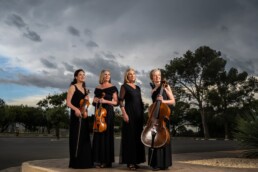
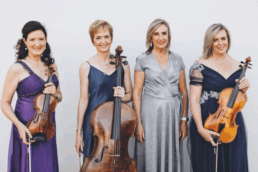
This Saturday, St. Francis will be graced by the enchanting sounds of the piano quartet, Take Four, as they perform in an intimate house concert, part of the Bach & 4th Concert Series. This exceptional ensemble features four world-class musicians: Zanta Hofmeyr (violin), Jeanne-Louise Moolman (viola), Susan Mouton (cello), and Elna van der Merwe (piano). They will present a captivating program that includes masterpieces by Mozart and Fauré.
It is a rare privilege to witness such talented musicians in our town, especially in such a cosy setting. To make the most of this unique opportunity, we seized the chance to delve deeper into the lives of these remarkable artists and explore the secrets behind their success in the music world.
Inspiration and Beginnings
“Music was never just a choice; it was a calling,”
reflects Zanta, the talented violinist from the Take Four Piano Quartet.
Each member of this dynamic ensemble has a unique journey that led them to a life of music, yet they all share a common thread of passion and dedication.
Growing up in a household where music was as essential as air, Zanta’s path seemed predestined. With parents who are both accomplished musicians still practising two to three hours a day at ages 87 and 90, her love for music blossomed early. At fifteen, a scholarship to the Interlochen Music Festival in Michigan marked her “aha” moment, where she realised that a life immersed in music was her true happiness. “It was there that I felt the joy of being part of something bigger than myself,” she shares.
For Elna, music was woven into the fabric of her childhood in Ladysmith, KwaZulu-Natal. Introduced to the piano by her grandmother at just three years old, she was nurtured by her mother, a piano teacher. “In a small town, there wasn’t much else to do, so I played the piano instead of helping in the kitchen,” Elna laughs. Her natural affinity for music led her to accompany the Natal Youth Choir and eventually study at Stellenbosch University.
Susan’s love for the cello has been a constant in her life. “Choosing to study music was an obvious choice for me,” she says, her dedication evident in her daily practice and joy in collaborating with fellow musicians. “Every note I play feels like a conversation with the audience.”
Jeanne-Louise’s musical journey began with a family violin, a cherished gift from her uncle and aunt. “My first orchestral course at eight ignited a lifelong passion for music,” she recalls, her eyes sparkling with nostalgia. “I’ve been captivated ever since.”
Daily Life and Practice
“Playing an instrument is much like any other sport – you can’t run a marathon or even a 100m sprint if you don’t practice every day.” Zanta
The life of a musician is a blend of discipline, creativity, and a touch of humour. Each member of the Take Four Quartet has a unique approach to their daily practice.
Zanta likens her practice to athletic training, emphasising the importance of warming up to prevent injury. “If you can play one of Bach’s solo violin sonatas well, you know you’re fit,” she asserts, dedicating three to five hours daily to perfect her technique.
As a mother and grandmother, Elna juggles family life with her role as a part-time accompanist at Stellenbosch University. “I focus on mental preparation for performances,” she explains, her quick learning ability allowing her to maintain a vast repertoire.
\Susan starts her day with scale practice, honing her sound and intonation. “It sets the foundation for everything else,” she notes, making her practice more fluid and enjoyable.
Jeanne-Louise balances daily teaching and practice with preparing for various performances, ensuring she’s always ready to shine with Take Four or her other ensembles.
Collaboration and Creativity
As old friends who love and respect each other, the Take Four Quartet is always “on the same page.” Surprisingly, they can’t remember ever disagreeing on anything.
Zanta describes performing in a chamber music setting as a wonderful experience where every member has a voice. “It’s a beautiful blend of individual expression and collective harmony,” she says.
Elna appreciates the quartet’s close friendship and lack of egos, fostering a conflict-free environment. “We’re unified in our goal of touching people’s hearts through our performances,” she shares.
“Working with the quartet is a dream come true,” says Susan, highlighting their shared musical interpretations and personal connections that make every performance special.
Jeanne-Louise values musical expression over verbal discussion, adapting her playing to harmonise within the group. “Listening and blending seamlessly is key,” she adds.
Memorable Performances
Every performance is an opportunity for magic, and the Take Four Quartet has had its share of unforgettable moments, the most recent being their performance in Malta, where the stunning cathedral and its acoustics created a magical atmosphere.
For Zanta, the pinnacle of her career was her debut recital at Carnegie Hall where she played for an amazing audience in a magnificent setting.
Some performances, however, are memorable for different reasons.
Zanta recalls a particularly chaotic orchestral concert. “The conductor was late, and by the time he arrived, the concert was already running twenty minutes behind schedule,” she chuckles. “He rushed on stage, buttoning his coat, and started the first movement of my concerto at half the normal tempo! I tried to speed it up, but he was determined to maintain his pace. It was a nightmare, but I survived!” Her laughter echoes the resilience and adaptability that musicians often need.
Audience Connection
“I love it when the audience feels what we feel.” Jeanne-Louise
The Take Four Quartet thrives on sharing their music with the audience, and feeling their reactions is the ultimate reward.
Zanta hopes her performances can change the audience’s energy and mood. “Music is a transcendental art; it lifts us out of our physical experience to a different sphere,” she explains. “I believe it channels emotions that we often can’t put into words.”
Elna finds immense satisfaction in knowing their music touches people’s hearts. “Every performance is meaningful when you see the impact it has on the audience,” she says, her eyes shining with purpose.
Susan appreciates the shared experience with the audience, feeling fortunate to make music with people who matter both personally and musically. “You can feel the electricity in the room when the audience is engaged,” she notes.
Jeanne-Louise adds, “When the audience senses the trust and communication within our group, it enhances their experience. It’s a beautiful cycle of connection.”
Balancing Act: Life Beyond Music
“I have learned to take good care of myself” Zanta shares, “there were times when I was younger when I suffered from not maintaining balance in my life.” Her routine includes consistent sleep patterns, morning exercises, and a disciplined diet. Tai chi, which she has practised for 31 years, is a cornerstone of her self-care, providing energy and tranquillity. “It changes my energy,” she says, highlighting its transformative power.
Elna emphasises the importance of balance, a lesson she has imparted to her daughters. She is not only a musician but also a cook, an avid gardener and manages to walk about ten kilometres a day. “You have to really be able to be organised,” she advises, underscoring the need for focus and preparation in her musical endeavours.
Susan acknowledges the challenges of being away from family but feels fortunate to have a supportive partner. “We are all extremely fortunate in having partners who understand,” she notes, highlighting the importance of a strong support system.
For Jeanne-Louise, being married to a fellow musician aids in maintaining self-care. “It is demanding, but I enjoy making music,” she reflects, appreciating the shared understanding and passion for music in her relationship.
The quartet members candidly discuss the hurdles they face, from the daily discipline of practice, the logistics of travel with expensive and large instruments, to financial constraints.
“The biggest challenge as a musician is to do the basic work every day,” they agree, emphasising the need for self-discipline and perseverance.
The financial implications of being a musician in South Africa are a real challenge, and many musicians work themselves to death trying to earn enough money. Managing schedules and finances is a constant challenge for Jeanne-Louise. “You always have to be prepared and in shape with your instrument,” she advises, stressing the importance of readiness and adaptability.
“Even though the amount of time spent rehearsing and preparing for a concert is comparable, if not more intense, Classical musicians receive a small fraction of what popular musicians earn,” remarks Zanta.
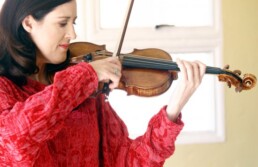
Elna draws inspiration from Malcolm Gladwell’s book *Outliers*, emphasising the importance of dedication. “You have to be so dedicated and spend at least 10,000 hours on your instrument to become a master,” she explains. “Talent only makes up about 40% of your success – the rest is being hard-working. Persevere every day, not just some days, but every day.” Elna also highlights the value of entrepreneurial skills, which can provide financial stability alongside a performing career.
“If music is your passion, then you must truly follow that path!” Susan encourages. Her advice is simple yet profound, reminding aspiring musicians to stay true to their dreams and let their passion guide them.
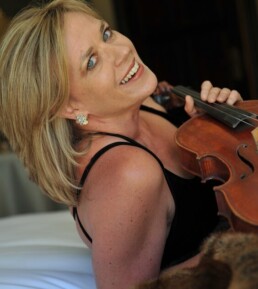
Elna finds joy in bringing classical music to intimate settings. “House concerts enable people who often don’t normally go to concerts to see a specialist perform on their instrument up close,” she says. “You don’t really even have to like the music, but it’s wonderful to experience the intimacy and closeness in this setup.” For Elna, the emotional connection fostered through music is deeply rewarding. “It feels good to know you can move people and inspire them through music,” she shares.
For Susan, classical music is a powerful means of expressing emotions. “It is fantastic when one feels that the audience is able to understand and experience the music with us,” she notes. Her words capture the magic of live performance, where musicians and audiences share a profound emotional journey.
To wrap up, here are some fun and quirky facts about the quartet members:
Zanta: She always eats a boiled egg before a performance for energy.
Elna: She embraces her dual life as a musician and a “boer vrou” on her farm in the Karoo.
Susan: Despite traveling with a cello, she also manages to accommodate her two Great Danes in her Honda Jazz.
Advice for Aspiring Musicians: Insights from the Take Four Piano Quartet
Embarking on a musical journey is both exhilarating and challenging. The Take Four Piano Quartet, with their wealth of experience and passion, offers invaluable advice for young musicians. Their insights emphasise dedication, resilience, and the joy of pursuing one’s passion.
“Only become a musician if there is absolutely nothing else you want to do,” Zanta advises. Her words underscore the importance of passion and commitment in a musician’s life. For Zanta, music is not just a career; it’s a calling that requires unwavering dedication.
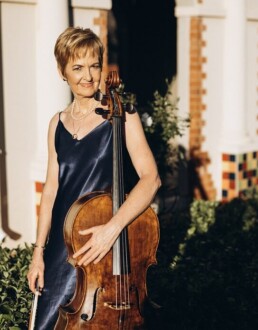
Jeanne-Louise emphasises the importance of gaining experience early on. “Work hard when you are young. Get experience because this is something you cannot buy at the shop,” she advises. Her words highlight the irreplaceable value of hands-on learning and the growth that comes from it.
Classical Music Today: Cultural Relevance and Emotional Connection
Classical music holds a timeless place in our world, offering both cultural richness and emotional depth. The members of the Take Four Piano Quartet share their perspectives on its enduring relevance.
“Classical music plays a role in different spheres,” Zanta explains, noting its impact on child development and its soothing qualities for adults. “It represents a vast range of history, starting in the Middle Ages and spanning to now. You can spend your lifetime listening to different music from various periods. It’s an art form that develops inside of you the more you listen to it. A certain piece grows on you the more you listen to it, and that’s the value of classical music.”
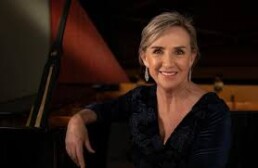
The Take Four Piano Quartet is a remarkable ensemble, each member bringing their unique experiences and insights to the world of classical music. Their stories inspire and resonate, offering a deeper understanding of the dedication and passion that fuel their art.